







Search Results for: Nestlé New Product
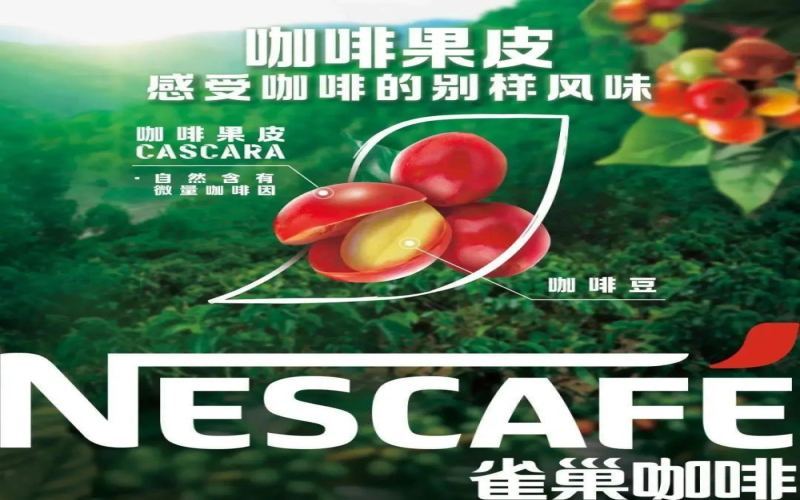
Nestlé Launches New Coffee Cascara Tea: The Exploratory Path from Discarded Fruit Peel to a New Coffee Species
Coffee cherries: besides the seeds that can be brewed, can the discarded peel also become a drink? In July of this year, at a Yunnan coffee flavor map event held in Shanghai, Nestlé showcased a new coffee species called "Cascara" in the Chinese market for the first time. This drink, made from coffee fruit peel, transforms what was originally considered waste—after drying and brewing—into a beverage with a flavor similar to tea. Nestlé also launched four Cascara specialty drinks, but they are still in the development and experimental stage, and the launch time and format have not yet been determined. Nestlé admits that the real challenge is not technology, but how to make consumers aware of and accept Cascara. This article will take you through the origins and flavor characteristics of coffee Cascara and Nestlé's layout strategy. [more…]
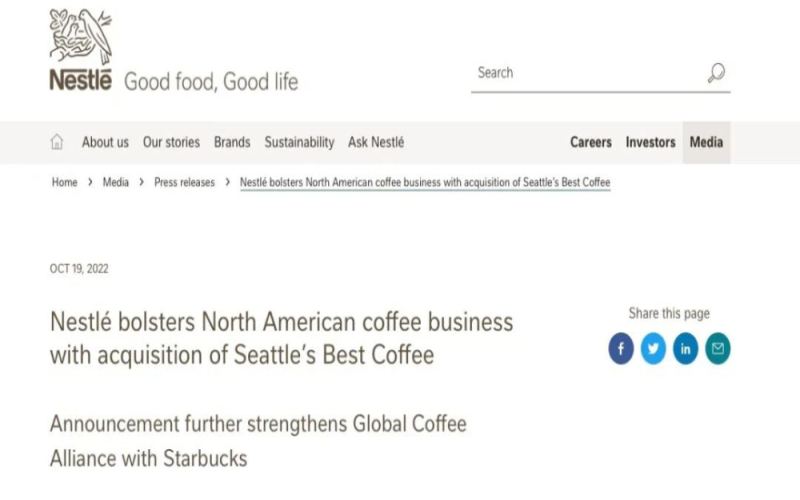
Nestlé makes another move to acquire Starbucks' Seattle's Best Coffee, further deepening the global coffee alliance.
Global food giant Nestlé has announced it will acquire Starbucks' Seattle's Best Coffee brand, a move seen as an important step in Nestlé's continued push to expand in the North American coffee market. This is not the first collaboration between the two companies—in 2018, Nestlé paid $7.15 billion for distribution rights to Starbucks' retail business. The acquisition will further enrich Nestlé's coffee brand portfolio in North America and is expected to be completed by the end of 2022. At the same time, Nestlé has completed several acquisitions this year and launched a new coffee sustainability plan. [more…]
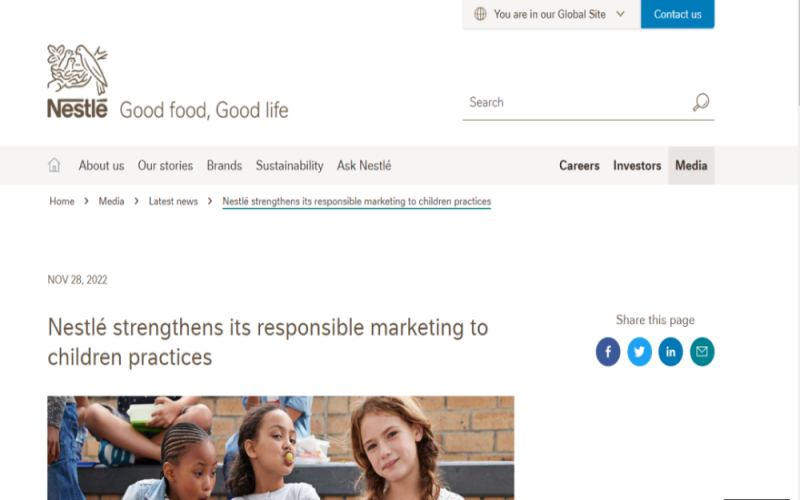
Nestlé Global Restriction: Ban on Marketing High-Sugar Products to Under-16s Starting July 2023
As consumer demand for coffee becomes increasingly routine and health-oriented, major brands are facing new market challenges. Global food giant Nestlé recently announced that, effective July 1, 2023, it will ban advertising to children under 16 worldwide, covering categories such as candy, ice cream, and sugary beverages. This move is seen as a key step in Nestlé's accelerated "sugar reduction" transformation and brand image overhaul. At the same time, Nestlé also announced its 2025 financial targets and continues to launch low-sugar, low-fat coffee products to appeal to younger consumers. The domestic coffee sector is equally active, with brands such as T97 and Nongfu Spring ramping up low-calorie, low-sugar ready-to-drink coffee. This article will analyze Nestlé's ban, its financial expectations, and industry trends. [more…]
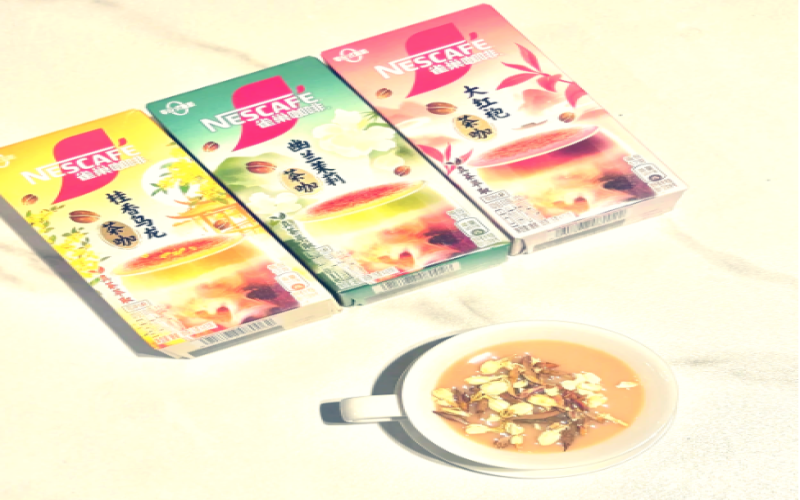
Nestlé Enters the Tea-Coffee Arena with an Onmyoji Collaboration: Can Three New Products Crack the Youth Market?
Currently, China's beverage industry is witnessing an intriguing cross-boundary phenomenon: tea drink companies want to enter the coffee sector, while coffee companies try to grab a share of the milk tea market. At the intersection of tea and coffee, a new category is being born—tea-coffee. As a global coffee industry giant, Nestlé, facing pressures such as the continuous contraction of the instant coffee market and brand aging, launched a special tea-coffee series in July this year, featuring three flavors: orchid jasmine, osmanthus oolong, and da hong pao. Three months after its launch, Nestlé teamed up with the Onmyoji mobile game for cross-boundary marketing, attempting to extend from young people's first cup of coffee to their first piece of merchandise. How has the market responded to this drink that combines caffeine and tea polyphenols? And why has the co-branded merchandise received such high praise? This article provides a detailed analysis. [more…]
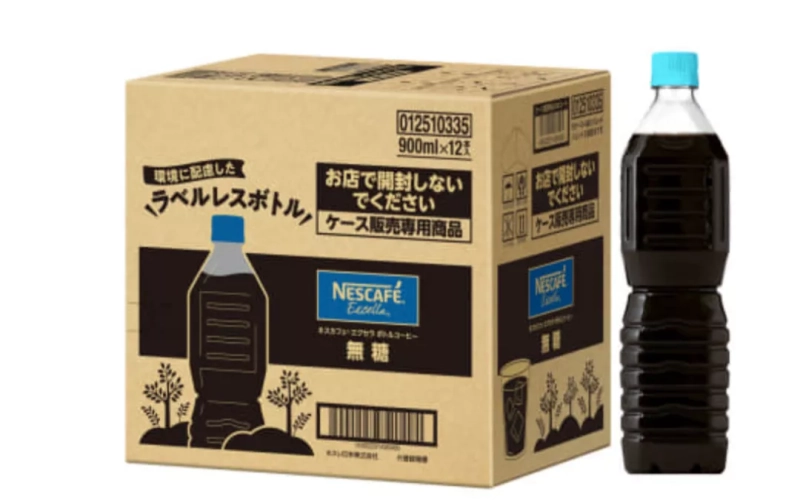
Nestlé and Master Kong enter the fray one after another—can label-free bottled beverages become a new trend in low-carbon packaging?
In recent years, as environmental awareness has risen, label-free bottled beverages have moved from once being considered "alternative" to becoming legalized. Brands such as Nestlé Japan Coffee, Asahi, Suntory, and Evian have successively tested the waters, and domestically, Master Kong has also launched label-free iced tea. Such products are mostly sold by the case, with only the shelf life and product name laser-printed on the bottle, while legal information is printed on the outer box. About 60% of Japanese consumers are willing to pay for them, mainly because it reduces PVC waste and the hassle of sorting. Domestic reactions are mixed: supporters believe it responds to carbon reduction, while those concerned see it as a promotional gimmick. This article sorts out the origins and development of this packaging change and explores whether it can be implemented over the long term. For friends who love drinking coffee, Front Street Coffee also continuously pays attention to such environmental trends. [more…]
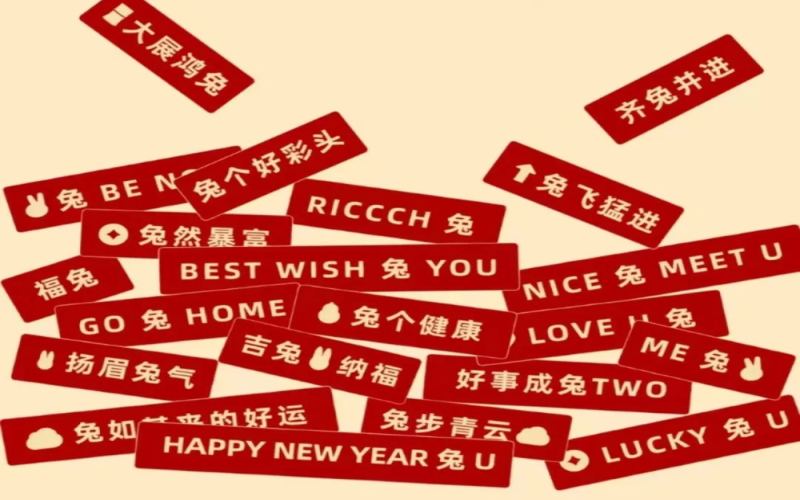
The Rabbit Zodiac IP Becomes a New Battleground for Coffee Marketing: A Review of New Year Limited-Edition Strategies from Luckin, Starbucks, Nestlé, and Other Brands
As the Lunar Year of the Rabbit approaches, the New Year marketing battle in the coffee beverage industry has quietly begun. Major brands are launching creative campaigns around the zodiac "rabbit," from puns and auspicious sayings to limited-edition new products, from co-branded designs to merchandise, all trying to capture consumer mindshare in the fierce market competition. Luckin has teamed up with artist Han Meilin to launch the "Double Rabbit" series, Starbucks offers three limited-edition drinks paired with cute rabbit merchandise, and Nestle Nespresso has collaborated with designer Angel Chen to create an eco-themed gift box. This article reviews the Chinese New Year marketing moves of major coffee brands, analyzes how zodiac IPs help brands build emotional connections with consumers, and explores that, amid the trend, product quality and creative output are the key to standing out. [more…]
Nescafé Dolce Gusto Yunnan Limited Edition Espresso: From Selected Beans in Pu'er and Xishuangbanna to Flavor in the Cup
Behind Nestlé Dolce Gusto Yunnan Limited Edition Espresso lies a special procurement task issued from the Swiss headquarters. Nestlé's Pu'er agronomy department, through quality traceability, selected 7 suppliers from more than 10 planting bases, of which 2 are from Xishuangbanna and 5 from Pu'er. This pure Arabica coffee is known for its distinctive sweet-and-sour profile, floral and fruity notes, and its packaging incorporates ink wash painting and seal elements. Since entering the Chinese mainland market in 2013, Dolce Gusto has established 29 specialty counters in Beijing, Shanghai, Hangzhou, and Shenzhen, and covers e-commerce channels such as Tmall and JD.com. Front Street Coffee recommends paying attention to this limited-edition product that combines local ingredients with an innovative capsule system. [more…]
Flavor Analysis of Yunnan Arabica Catimor Variety and the Development History of Its Plantation Origins
Yunnan, with the unique microclimates of the Nu River and Lancang River valleys, has cultivated small-bean coffee that is rich yet not bitter, aromatic yet not harsh, with a slight fruity acidity, and has been praised by international experts as being of world-class quality. From the introduction of the crop by missionaries in 1892 to Nestlé restarting industrialization in Pu'er, Yunnan coffee has gone through a century of ups and downs, yet has long been trapped in the role of raw material supplier. This article sorts out the varietal characteristics of Yunnan coffee, its production area distribution, the acquisition battles with Nestlé and Starbucks, and the tortuous course of local brand awakening and capacity expansion, to help you understand the true face of China's core coffee-producing region. [more…]
Nestlé opens an instant coffee pop-up shop in Toronto, but instead of selling coffee, it asks customers to bring their own brew
Nestlé recently opened a pop-up shop on Queen Street West in Toronto, Canada, but it is completely different from a regular café—there is no menu, no baristas, and not even any coffee drinks for sale. Customers must bring their own Nestlé instant coffee to swipe as a "door access card" to enter, and the shop only provides hot water, takeaway cups, comfortable sofas, and free Wi-Fi. This pop-up, open until June 28, feels more like a carefully planned brand marketing campaign. A senior marketing manager for Nestlé Canada said that although brewing instant coffee at home is simple, people sometimes also long to gather with friends in a café atmosphere. Notably, the cups provided in the shop are printed with deliberately misspelled names, seemingly poking fun at a certain coffee chain brand. Nestlé also built a separate website for its Sweet Cream Instant Coffee and invited consumers to vote on which city the next stop should be. Front Street Coffee believes that this kind of marketing is intended to strengthen the presence of instant products, but the flavor performance of instant coffee itself remains open to debate. [more…]
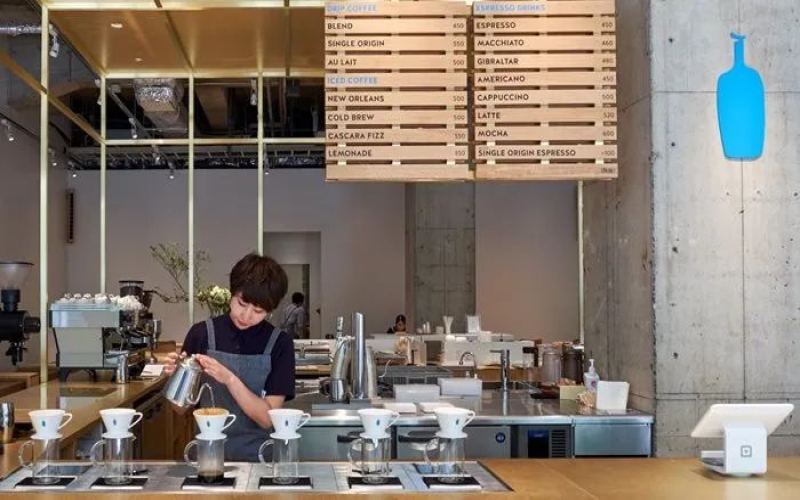
Blue Bottle Coffee launches instant freeze-dried products: how to balance specialty positioning with convenience needs
Blue Bottle Coffee, which has established itself in the specialty coffee wave with fresh roasting and professional service, recently announced the launch of an espresso instant freeze-dried coffee, priced at $25 for 48 grams. This move has drawn attention: when the pandemic blocked in-store consumption and demand for coffee at home rose, Blue Bottle chose to respond to the demand for convenience with an instant product. CEO Karl Strovink said the company will vigorously develop its instant coffee line and plans to add instant coffee drinks to its store menus within one to two years. Blue Bottle is currently controlled by Nestlé and has more than 100 stores in the United States and Asia. This article examines the market logic and executive statements behind Blue Bottle's new instant coffee product. [more…]
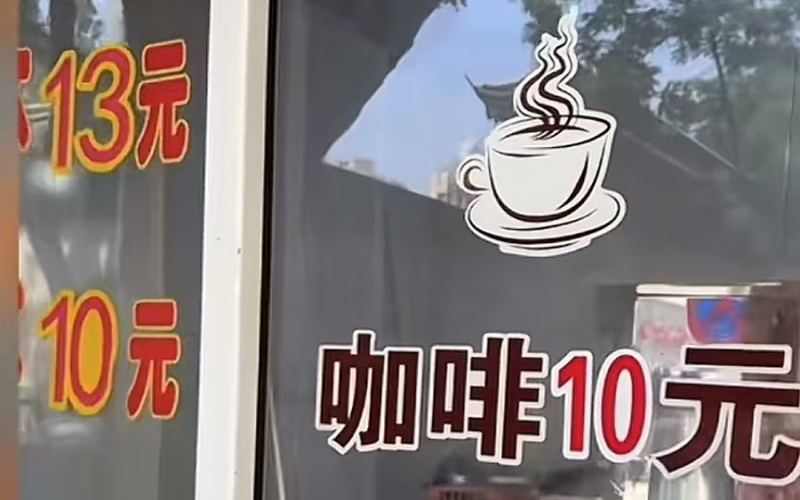
Nanjing grandma's ten-yuan hand-brewed coffee went viral online, three Nestlé instant coffee sticks brewed together sparked a check-in craze
Recently, an elderly woman in Nanjing became an overnight sensation on social media with her "hand-brewed coffee" priced at just ten yuan per cup, drawing many netizens to visit her shop specifically. Her storefront is small, but her method is remarkably simple—she takes out three sticks of Nescafé instant coffee, cuts them open and pours them into a plastic cup, adds hot water, seals and shakes it, and a cup of coffee is handed to the customer. After the video went viral, the elderly woman's business exploded, selling over two hundred cups a day, and even Nescafé's official livestream channel jumped on the trend by launching a "Nanjing Auntie's Same Style" product. The elderly woman candidly admitted that she has always sold Nescafé and would not cut corners just because more customers are coming. Meanwhile, similar low-priced drinks in the alleys of Guangdong have also gained popularity among students. These drinks with simple ingredients may not taste as good as specialty coffee, but they carry many people's fondest early memories of coffee. [more…]
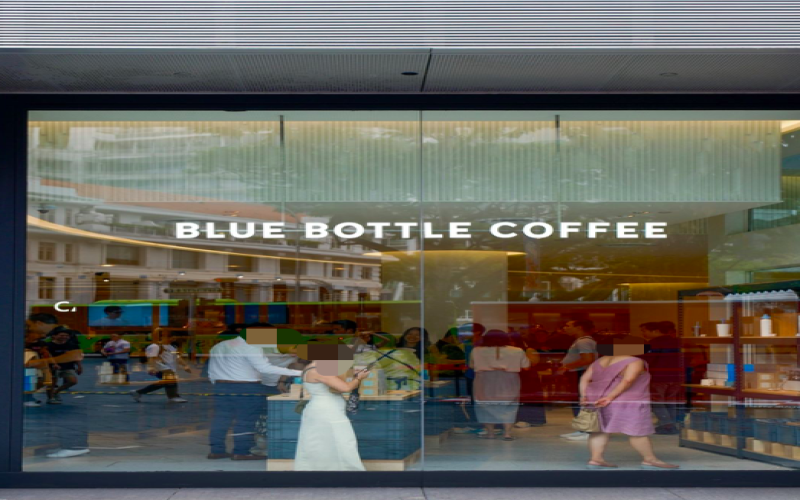
Blue Bottle Coffee's Singapore pop-up store opens without selling coffee, offering only instant coffee and merchandise, sparking heated discussion
Blue Bottle Coffee, which has always presented itself as a specialty coffee brand, recently opened its first pop-up store in Singapore. However, this store surprisingly does not sell freshly made coffee beverages, offering only a single type of instant freeze-dried coffee powder, along with cups, brewing accessories, and other merchandise. Although equipment is set up in the store, free coffee is only available for a limited time from 12:00 to 12:30 noon, and if you miss it, you cannot taste it. The company stated that this move is the first step in introducing the full coffee experience more broadly in the local market, with a focus on promoting instant coffee and matcha products. However, many consumers who came specifically for the brand expressed disappointment, saying that they could not even buy coffee beans, which is inconsistent with the brand's一贯 rigorous attitude toward coffee. Some speculate that after being acquired by Nestlé for $3.3 billion, Blue Bottle may be gradually moving closer to the Nestlé system and might promote more products with Nestlé characteristics in the future. This article is compiled from Coffee Workshop to take you through the whole story. [more…]
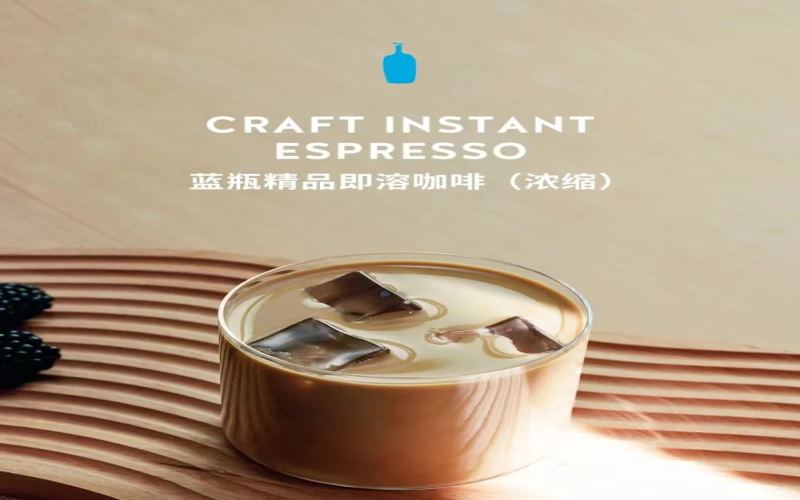
Blue Bottle Coffee debuts instant espresso products in mainland China, three years of R&D for custom flavor, pre-sale from 75 yuan per box
Blue Bottle Coffee has announced that on August 17 it will launch its first specialty instant coffee (espresso) in mainland China. This product was developed over three years specifically for the tastes of domestic consumers, presenting flavor layers of dark chocolate, molasses, and toasted malt. The domestic version uses individual 3-gram packets, with a Tmall presale price of 75 yuan for 5 packets and 208 yuan for 15 packets, plus a 9.9 yuan single-packet trial pack. Previously, Blue Bottle had already launched a 48g jarred instant product overseas, priced at about 183 yuan. Since Nestlé acquired a 68% stake in it in 2017, Blue Bottle has accelerated its global expansion, and currently has 5 Shanghai stores and a Shenzhen pop-up store in mainland China. Whether the instant product can continue its specialty reputation is worth watching. [more…]

The Process Differences Between Instant and Freeze-Dried Coffee: A Comprehensive Analysis from Historical Origins to Production Principles
Instant coffee and freeze-dried coffee can both be enjoyed simply by adding hot water, and both belong to the convenient coffee camp—but are they really the same product under different names? The answer is no. From the coffee predicament of American soldiers in the 18th century, to the birth of Nestlé's spray-drying method, to the application of vacuum freeze-drying technology, these two technical routes have produced completely different flavor profiles. This article will systematically sort out the essential differences between instant coffee and freeze-dried coffee from multiple dimensions such as historical origins, production processes, and raw material selection, helping you understand why freeze-dried coffee can shed its "low-end" label and win back the favor of coffee lovers. [more…]
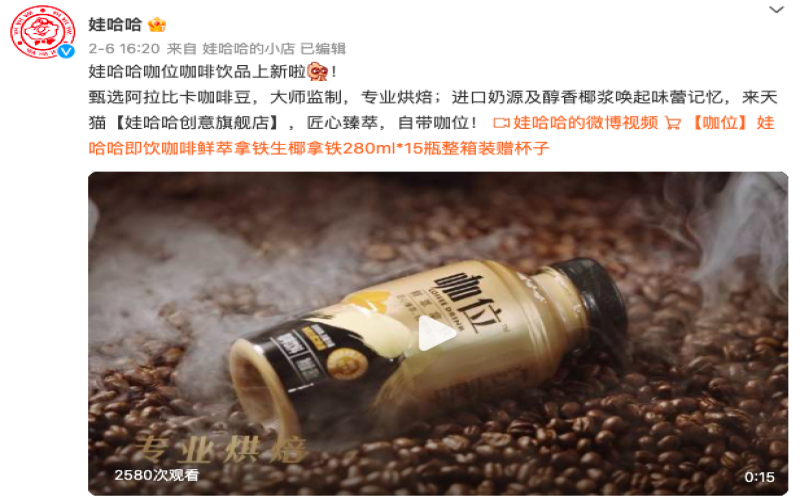
Wahaha re-enters the ready-to-drink coffee market after six years—can the belated "Kawei" break through the competition?
On February 6, 2023, Wahaha launched a new ready-to-drink coffee product called "Kawei," offering two flavors: Fresh Latte and Raw Coconut Latte, highlighting selling points such as imported milk sources and Arabica beans. This marks Wahaha's re-entry into the ready-to-drink coffee sector after the failure of its Maoyuan Coffee in 2016. However, the current ready-to-drink coffee market is already crowded with giants like Nestlé, Starbucks, Coca-Cola, and Nongfu Spring, and products are highly homogenized. Wahaha's entry at this time puts it years behind its competitors, and the market landscape has long since changed. This article reviews Wahaha's coffee attempts, the company's sales background, and the competitive dynamics of the ready-to-drink coffee market to explore the prospects of "Kawei." [more…]
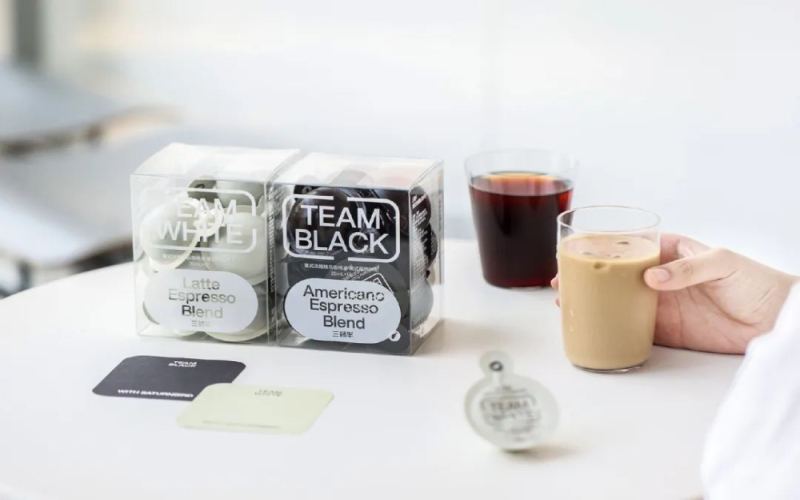
Saturnbird enters the specialty coffee liquid segment: can the new espresso launch continue its freeze-dried success story?
Saturnbird, known for its freeze-dried coffee, has recently launched its first espresso-style specialty coffee liquid, officially entering the increasingly competitive coffee liquid segment. The new products come in two versions—a light-roast Americano style and a dark-roast latte style—each using blended beans with different processing methods, with distinct emphases in flavor presentation. Since its founding in 2015, Saturnbird has quickly gained popularity with its highly recognizable small-can packaging design and numerical grading system, and in 2021 it even opened an offline concept store in Shanghai. However, the coffee liquid sector already has brands like Yongpu, Sumida River, and Seesaw laying the groundwork ahead of it, and giants such as Nestlé have also entered the fray one after another. Whether Saturnbird's expansion of its product line this time can break through again in the convenient coffee market is worth coffee lovers' continued attention. [more…]
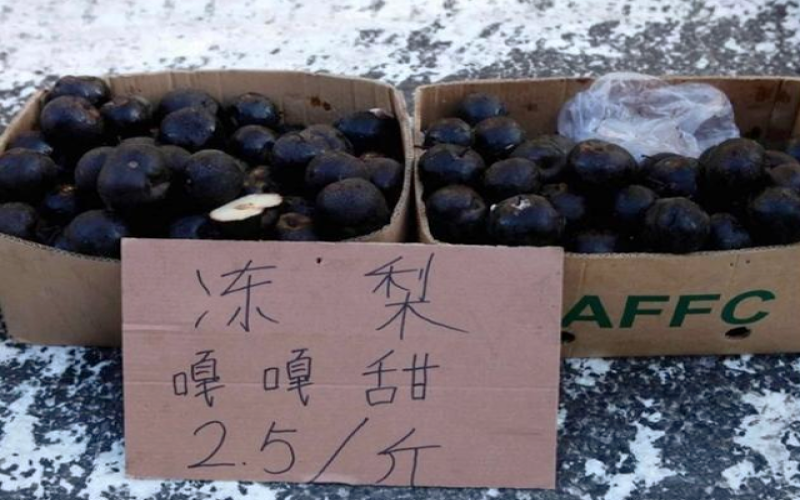
Luckin's launch of Frozen Pear Americano sparks heated discussion; netizens say its taste is comparable to rock sugar snow pear
In the depths of winter, the Northeastern specialty frozen pear has once again become a focal point—this time, it has sparked a new trend by colliding with coffee. KFC, Nestlé, and Luckin Coffee have all coincidentally launched frozen pear coffee series, among which Luckin's Big Frozen Pear Americano, a collaboration with the TV series *Country Love*, has drawn considerable attention. However, this new product has been collectively criticized by netizens for being too sweet and having a weak coffee presence, with many saying it tastes just like Master Kong's Rock Sugar Snow Pear juice, triggering a heated online discussion about the taste of frozen pear coffee. [more…]
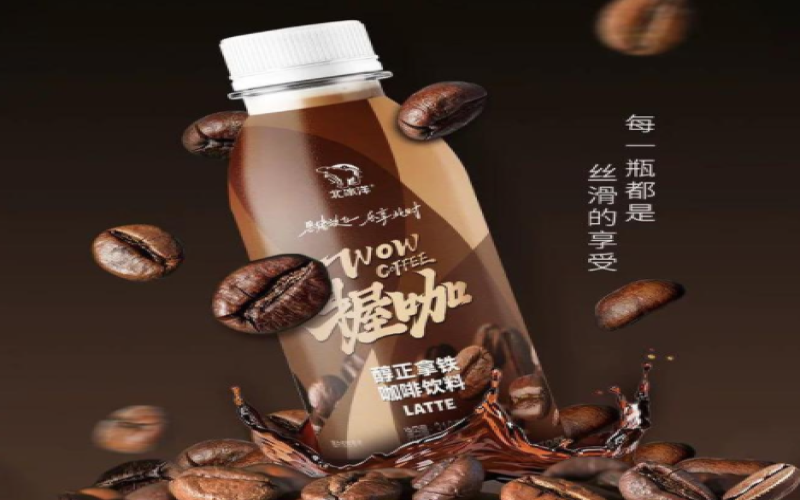
Arctic Ocean makes a cross-industry move into the ready-to-drink coffee sector, as the veteran soda company launches its new "Wok Coffee" latte.
Ready-to-drink coffee, with its advantages of needing no brewing, being affordably priced, and easy to carry, continues to heat up in the consumer market, and is jokingly dubbed "lazy person's coffee" and the "poor man's pleasure" of the coffee world by many consumers. Facing this rapidly growing market, not only are coffee giants like Starbucks and Nestlé continuing to double down, but beverage companies are also entering the fray across sectors. Old Beijing soda brand Arctic Ocean recently listed a new ready-to-drink coffee latte product called "Woka" on its Tmall flagship store, marking the nearly century-old veteran company's official entry into the ready-to-drink coffee sector. However, on a track dominated by giants, whether Arctic Ocean can leverage brand nostalgia to pry open the market remains to be seen. [more…]
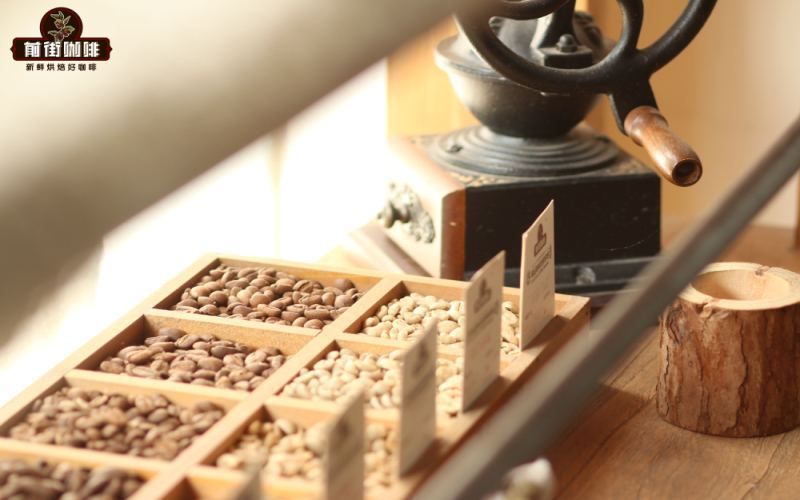
Instant Black Coffee Buying Guide: Flavor Review and Processing Analysis of Mainstream Freeze-Dried Coffee Brands
For many office workers, a daily cup of coffee has become a necessity, but buying it out over the long term adds up, making home brewing a money-saving solution. There are countless types of instant coffee—what exactly is the difference between freeze-drying and spray-drying, and how do their flavor profiles differ? This article first traces the history of instant coffee from its invention in 1901 to Nestlé's mass production, then analyzes how spray-drying and freeze-drying affect flavor, and finally presents Front Street Coffee's hands-on comparison of multiple instant coffee products from five brands—Tim Hortons, Yongpu, Eagle Eye, Saturnbird, and Coffee Box—to help you find the one that suits your taste. [more…]
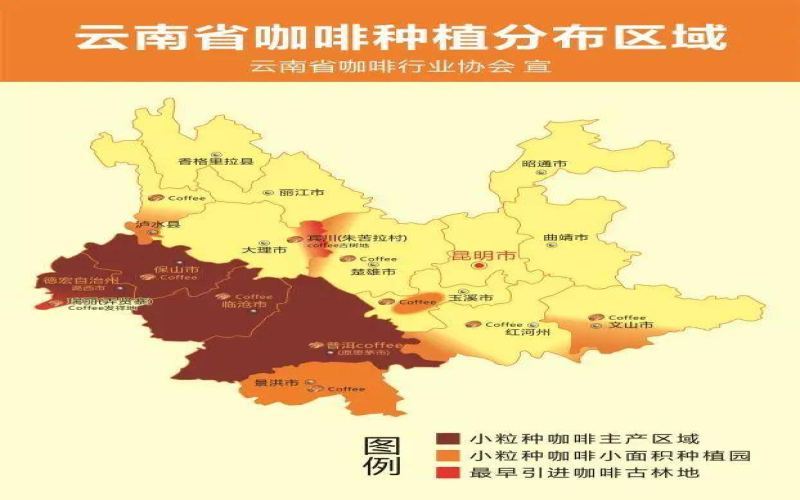
Yunnan Coffee Beans: From Cultivation History to Flavor Characteristics—A Complete Analysis of Typica and Catimor Varieties
Yunnan, as China's core coffee-producing region, has a cultivation history dating back over a century and now holds an absolutely dominant position in the country's coffee planting area and output. This article systematically traces the evolution of Yunnan coffee from its introduction by missionaries to Nestlé's promotion of large-scale Catimor cultivation, and explains in detail the terroir differences among major producing regions such as Dehong, Baoshan, Lincang, and Pu'er, while comparing the characteristics and processing methods of the two major varieties, Typica and Catimor. Front Street Coffee has established a dedicated Typica estate in Baoshan and launched multiple products including washed Typica and Catimor everyday drinking beans, along with roasting and pour-over parameters, to give you a comprehensive understanding of the potential and flavor expression of Yunnan coffee. [more…]